
The Group+4
May 12, 2026OTB presents its 2025 Sustainability Report
The Group continues to implement its sustainability strategy with determination, recording significant progress on environment, materials and social impact
The fashion and textile industries have a significant impact on biodiversity due to the intensive use of resources. This is why OTB Group acts to mitigate the actual and potential negative impacts connected to its business operations.
To contribute to the safeguarding of biodiversity and the protection of ecosystems, in 2024, Diesel completed an environmental risk analysis focused on three key areas: climate, biodiversity and water. The analysis was carried out in two stages: first, the identification of hotspots in the brand’s supply chain and, second, an assessment of the related environmental risks. The analysis enabled Diesel to identify its sourcing operations most exposed to environmental risk in relation to the three key areas. The results provided the basis for a sourcing plan that takes these impacts into account.
In 2025, the Group decided to extend the analysis to its other production hubs and brands, and selected a specialist partner to draw up an environmental impact assessment report paying particular attention to biodiversity throughout the supply chain. The aim is to quantify, monitor and reduce impacts generated along the entire supply chain. The results will form the basis for the formulation of an internal policy for the protection of biodiversity that will guide the Group’s brands and partners in adopting consistent and effective measures.
Consistently with the principles of The Fashion Pact, the OTB Group goals are:
To eliminate problematic and redundant virgin plastic in B2C packaging by 2025 and in B2B packaging by 2030;
To ensure use of recycled plastic when plastic cannot be eliminated;
To guarantee that at least 50% of plastic packaging is composed 100% of recycled material.
The Group continues to implement its sustainability strategy with determination, recording significant progress on environment, materials and social impact
Aura Blockchain Consortium announces the appointment of Stefano Rosso as its new Chairman
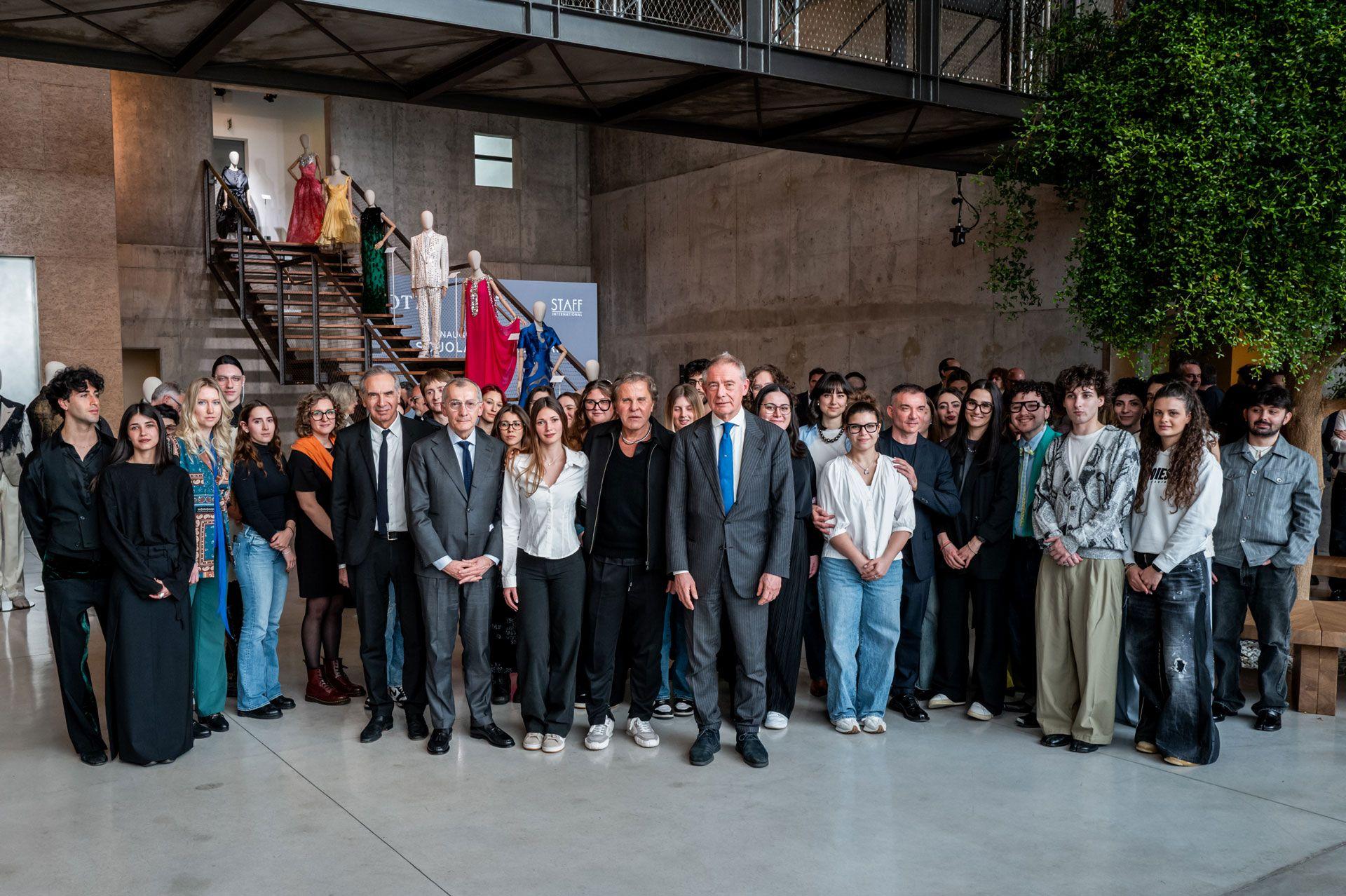
On the occasion of the celebrations for National Day of Made in Italy, OTB inaugurates the fifth edition of its School of Craftsmanship today. The Group’s in-house academy is a training programme designed to pass on to younger generations the artisanal and manufacturing expertise that defines Made in Italy fashion